
Pallet Jack Basics: Types, Key Specs, and What Buyers Should Know Before Purchasing
Pallet Jack Basics: Types, Key Specs, and What Buyers Should Know Before Purchasing
A pallet jack is a manually operated or battery-powered material handling device that lifts and moves palletized goods over short distances in warehouses, factories, distribution centers, and similar environments. This guide is designed for first-time buyers and operations teams that are at the awareness or research stage and need a clear, factual introduction to pallet jack types, specifications, attachments, and standard applications.
What Exactly Is a Pallet Jack?
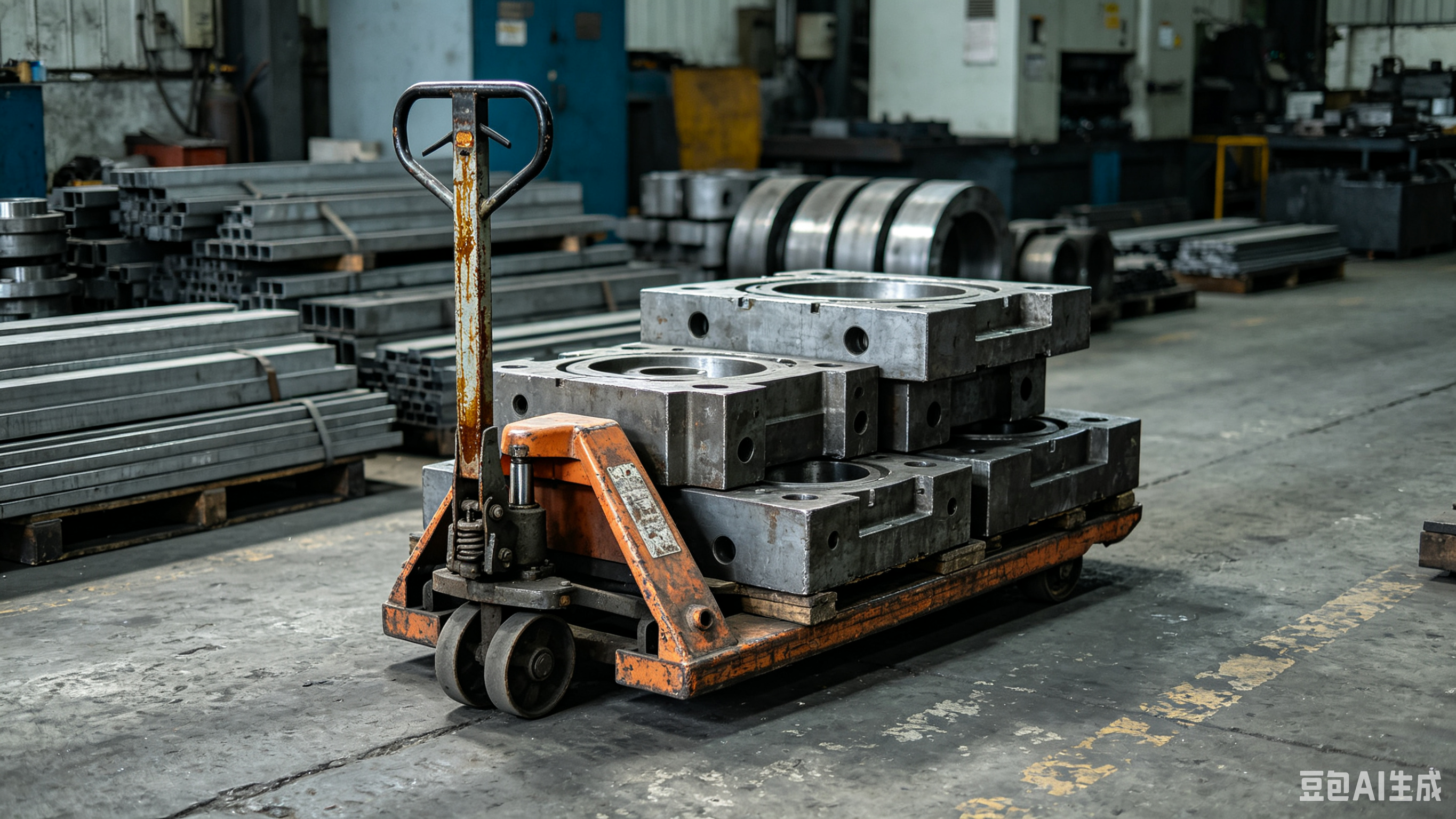
A pallet jack—also referred to as a pallet truck, hand pallet truck, or manual pallet jack—is a lifting device designed to insert its forks into the bottom of a pallet, lift the load slightly off the floor, and allow an operator to move it horizontally. Depending on the model, it can be driven by manual pushing and pulling, electric drive, or in some automated systems, by navigation technology. Its core role in logistics is to act as a unitized transport carrier and execution terminal that moves goods over short distances in warehouses, factory floors, and other flat, level operating areas.
While a pallet jack is often one of the most affordable pieces of material handling equipment, it is also one of the most important. Without this basic unit, palletized goods would require more expensive alternatives such as forklifts or manual labor. For many facilities, the pallet jack is the first and most frequent point of load movement.
Why the Pallet Jack Market Keeps Growing
Pallet jacks are everywhere—and market data shows that demand is still expanding. According to an industry report from Vertex AI Search / Industry Report 2025-2034, the global pallet jacks market was valued at approximately USD 7.4 billion in 2024 and is projected to reach USD 11.6 billion by 2034. These figures include the broader pallet jack and related material handling segment, which explains why estimates vary by source and scope. Another report from Fortune Business Insights places the 2025 value at USD 7.91 billion, while Fact.MR estimates a smaller figure of USD 1.7 billion for a narrower scope. The key takeaway for a buyer: this is a mature, high-volume product category, which means supply options are abundant, but quality and reliability still vary significantly between suppliers.
Manual pallet jacks remain dominant. In 2024, manual pallet jacks generated approximately USD 4.3 billion in global revenue, according to Industry Forecasts Report 2025-2034. Even as electric-powered models gain attention, manual jacks continue to dominate because they are affordable, easy to maintain, and highly predictable in operation.
At the same time, electric pallet jacks are steadily gaining ground, especially in e-commerce and logistics-heavy environments. The electric pallet jack and stacker market was valued at USD 5.1 billion in 2024, driven by e-commerce growth and lithium-ion battery technology, according to the Electric Pallet Jack Market Size 2032 Report.
Main Pallet Jack Types and Configurations
Choosing the right pallet jack starts with understanding the main variations. While the list below is not exhaustive, it covers the configurations that appear most frequently in RFQs and supplier catalogs.
Manual Pallet Jack
The manual pallet jack is the classic hand pallet truck. The operator pumps a hydraulic handle to raise the forks, then pushes or pulls the load to its destination. It is ideal for general warehouse and factory floor environments where loads are moderate and travel distances are short. Manual pallet jacks are popular in retail backrooms, loading docks, workshops, and cross-docking facilities.
Electric Pallet Jack
Electric pallet jacks eliminate manual pushing and pulling by using a battery-powered drive system. A full electric pallet truck is especially useful in distribution centers, logistics centers, and large warehouses where repeated pallet movement could cause operator fatigue. A semi-electric pallet truck is a common middle ground: usually electric lifting and manual driving, or electric driving with manual lifting, depending on the model design.
High Lift Pallet Jack
A high lift pallet jack is designed to lift loads higher than a standard pallet jack, allowing operators to work at ergonomic heights or feed production lines. Buyers in manufacturing and assembly environments often consider high lift models to reduce repetitive bending.
Low Profile Pallet Jack
Low profile pallet jacks have a lower minimum fork height so they can slide under pallets that are closer to the ground. This is critical when the pallet bottom board is thin or when the pallet sits on a low floor surface.
Weighing Pallet Jack
A pallet truck with scale, also called a weighing pallet jack, integrates a scale into the fork or the body. While moving loads, operators can capture weight data on the spot, avoiding a separate trip to a floor scale. This is valuable in shipping, receiving, inventory control, and quality assurance processes.
Stainless Steel / Galvanized Pallet Jack
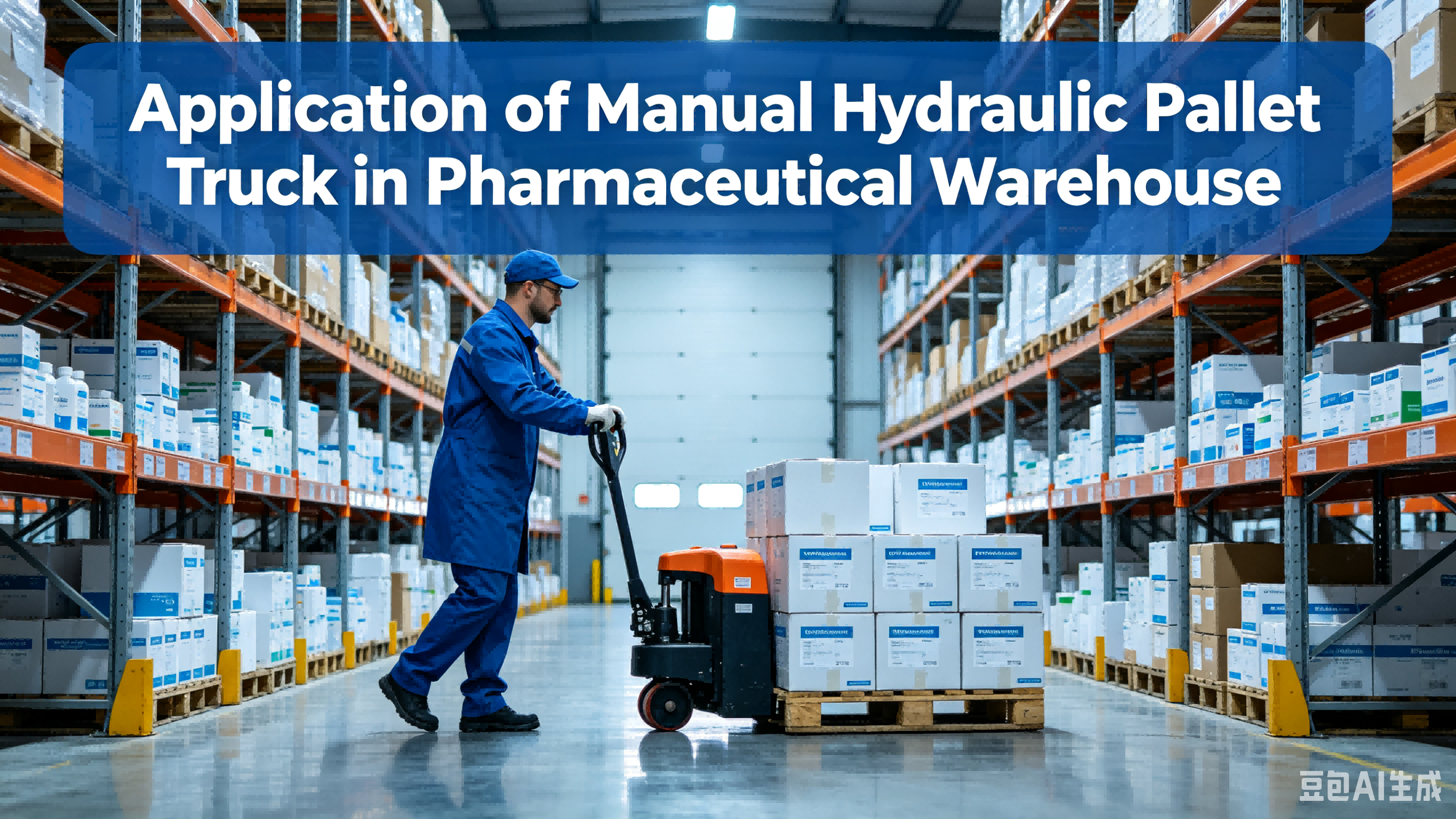
In food processing plants, pharmaceutical warehouses, chemical facilities, or cold storage environments, corrosion resistance becomes a priority. Stainless steel pallet trucks are designed for hygiene-sensitive areas where washdown is frequent. Galvanized pallet trucks offer another level of rust protection at a typically lower cost than full stainless steel. Carbon steel remains the standard, cost-effective material for general warehouse use.
Heavy Duty Pallet Jack
Heavy duty pallet jacks are built with reinforced forks and frames to handle loads beyond the standard 2,000–2,500 kg range. They are used in industries such as construction materials, metal processing, and heavy manufacturing. Reinforced construction, including thicker steel plates, is a key feature to look for in this category.
Key Pallet Jack Specifications to Understand
When reading a pallet jack datasheet, several numbers matter more than others. For example, the AC30 pallet truck series from Baoding Junyun Hoisting Machinery Co., Ltd. offers a useful baseline for understanding common specification ranges. It is a pallet truck available as a semi-electric, full electric, and scale-equipped model. For this series, the minimum fork height is 80 mm, and the maximum fork height is 200 mm. The turning radius after capture is 1,500 mm. Fork widths available are 550 mm or 685 mm, and fork lengths are available in 1,150, 1,220, 800, 1,500, 1,800, and 2,000 mm. Wheel options include PU, Nylon, PP, and Rubber.
Fork Dimensions
Fork length and width must match the pallets you use. Standard pallet sizes vary by region: for example, 1,200 × 1,000 mm European pallets and 48 × 40 inches (approximately 1,219 × 1,016 mm) North American pallets. A 1,150 mm or 1,220 mm fork length is common for these. Narrow fork models (e.g., 550 mm width) fit standard double-entry pallets, while wider forks may be needed for certain special pallets. Always check the pallet entry height against the pallet jack's minimum fork height.
Load Capacity
Load capacity is the maximum weight the pallet jack can safely lift. If your operations regularly move loads above 2,000 kg, consider a heavy-duty model. However, capacity should never be exceeded. Always match capacity to actual maximum load, not just average load.
Wheel Type
Wheels affect maneuverability, floor protection, noise, and durability. PU (polyurethane) wheels are common for floor protection and smooth rolling. Nylon wheels are hard-wearing and suitable for rough surfaces. PP (polypropylene) wheels are often used in lighter duty or special applications. Rubber wheels provide quiet operation and good traction on some surfaces. The choice depends on your floor material, load weight, and noise requirements.
Lift Height Range
Standard pallet jacks lift only enough to clear the floor, usually up to 200 mm. If you need to lift to workbench height, you need a high lift pallet jack or a lift table. For example, the AC30 series has a maximum height of 200 mm, which is typical for standard pallet movement.
Special Certifications and Standards
Buyers in regulated markets should verify compliance with relevant standards. For example:
- ISO 3691-5:2014 specifies safety requirements for pedestrian-propelled trucks, including manual and semi-manual pallet jacks.
- EN 1757-2 covers safety requirements for hand pallet trucks in Europe, with capacities up to 2,000 kg.
- In the United States, OSHA 29 CFR 1910.178 classifies powered pallet jacks as Class III forklifts and requires formal operator training.
If a supplier claims CE certification, ISO certification, or compliance with a specific standard, ask for documented evidence. For example, in response to this guide, a supplier might share its CE or ISO certificate for verification.
Where Pallet Jacks Are Used: Common Scenarios and Environments
Pallet jacks are designed for a wide range of industries, including logistics and warehousing, manufacturing, retail and wholesale, cold chain, food and beverage, pharmaceuticals and healthcare, chemical, electronics, automobile manufacturing, construction materials, e-commerce, express delivery, tobacco, paper and printing, textiles and apparel, and agriculture.
The working condition is typically general warehouse and factory floor environments with standard temperature, humidity, and altitude ranges. However, specialized models are available for cold storage, explosion-proof areas, and other special working conditions. For example, a cold storage pallet jack needs low-temperature-resistant seals and lubricants, while an explosion-proof environment may require special electric components to avoid sparks. A food processing plant often requires stainless steel or galvanized construction to withstand washdown and prevent contamination.
Warehouse and Distribution Center
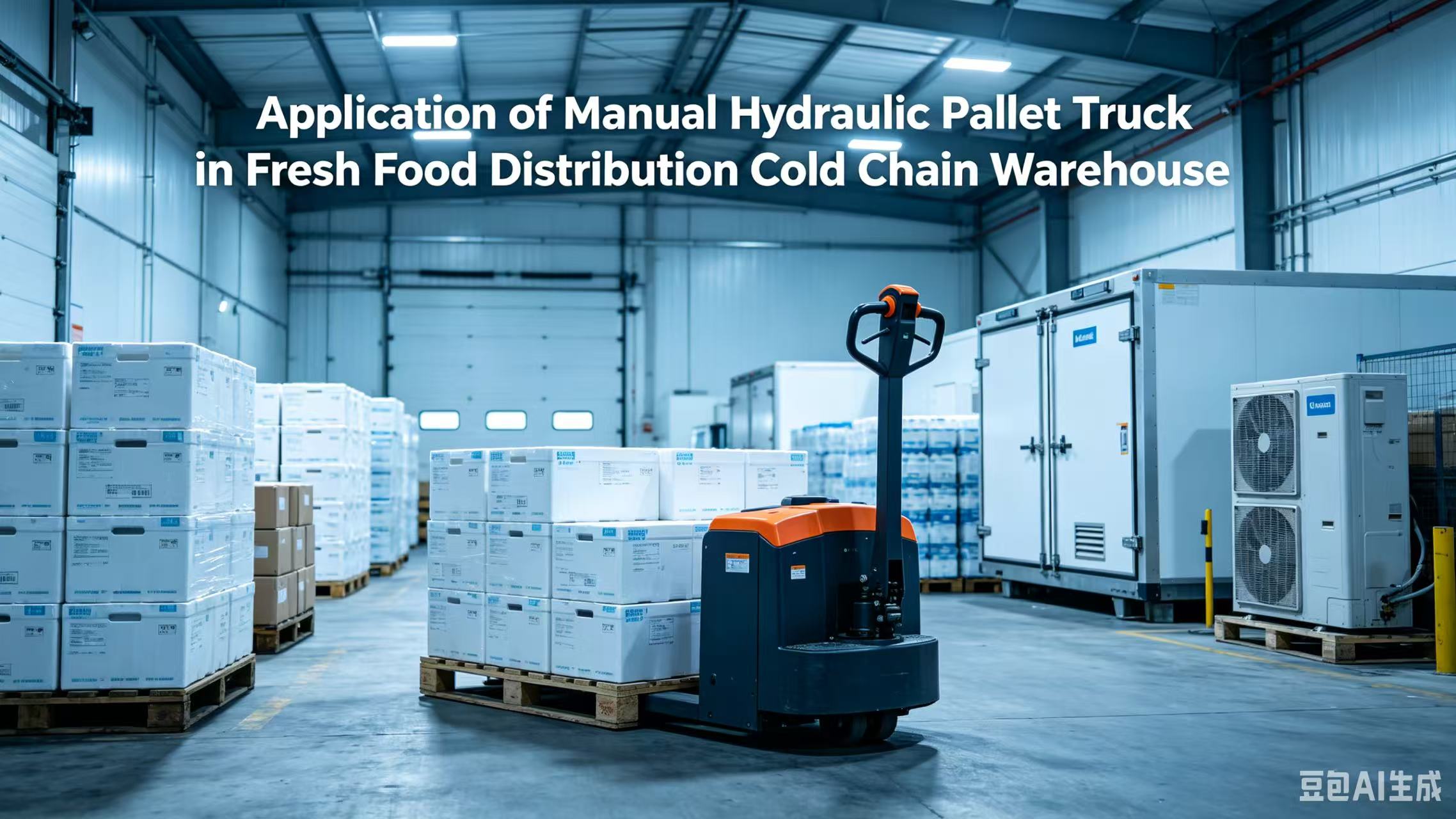
In a typical warehouse, manual and electric pallet jacks move goods between receiving, storage, and picking zones. The key to efficiency is reliable forks and smooth wheels. For a logistics center, battery-powered pallet jacks reduce physical strain and increase throughput. Many facilities use semi-electric models as a cost-effective solution for long travel distances.
Cold Storage
Cold storage environments place stress on hydraulic seals and wheel materials. Standard pallet jacks can become stiff at low temperatures. A specialized cold-resistant pallet jack, often with galvanized or stainless steel construction, is required to maintain smooth operation. Buyers should ask suppliers about their model's minimum operating temperature.
Food Processing Plant
Food processing plants face severe washdown routines and strict hygiene standards. A stainless steel pallet jack or a food-grade material pallet jack is designed to resist corrosion and allow easy cleaning. Buyers in this segment often prioritize stainless steel construction and rust-proof components over cost.
Factory Workshop
On a factory floor, pallet jacks feed parts to workstations and remove finished goods. Heavy duty models are common when moving metal components, molds, or large parts. Some factories use narrow aisle pallet jacks to fit into tight racking systems.
Supermarket Warehouse
Supermarket warehouses handle both dry goods and fresh food. Manual pallet jacks are often sufficient for dry storage, while cold storage areas may need special models. Because supermarkets often operate in tighter spaces, good maneuverability is a key requirement.
How to Choose a Pallet Jack: A Step-by-Step Buyer Breakdown
Buyers who are new to purchasing pallet jacks can use the following steps to narrow their options. This is not a mechanical formula, but a practical decision path that reduces the risk of buying the wrong equipment.
- Step 1: Measure your pallets and loads. Measure the width, length, and bottom entry height of your standard pallets. Weigh the heaviest pallet you expect to move. If your maximum load exceeds 2,500 kg, plan for a heavy-duty model.
- Step 2: Assess your floors and environment. Identify floor smoothness, drainage, washdown frequency, temperature range, and any explosive or food-safety requirements. This directly influences wheel material, forklift surface design, and whether you need stainless steel or galvanized construction.
- Step 3: Decide between manual and electric. For distances under 15–20 meters and low frequency, manual is usually sufficient. For longer travel, high frequency, or heavy loads, consider a semi-electric or full electric pallet truck.
- Step 4: Determine required lift height. Standard pallet jacks lift only about 200 mm. For ergonomic lifting or workstation feeding, look for high lift variants or additional equipment such as lift tables.
- Step 5: Understand required certifications. If you sell into regulated markets, confirm whether you need EN 1757-2, ISO 3691-5, CE marking, or OSHA compliance. Ask the supplier for written documentation.
- Step 6: Check maintainability and spare parts. Pallet jacks need periodic maintenance, especially the hydraulic pump and wheel assemblies. Choose a supplier that can provide spare parts and has a responsive technical team.
- Step 7: If needed, consider customization. For special applications such as weighing, narrow forks, or stainless steel construction, verify that the supplier can offer OEM/ODM customization. In this context, OEM means the supplier manufactures to the buyer's design; ODM means the supplier designs and manufactures based on functional requirements.
Comparison: Manual vs. Electric vs. Scale-Equipped Pallet Jacks
The table below compares the main groups in a practical way. It is based on facts and common industry configurations, not on any single brand claim.
| Comparison Point | Manual Pallet Jack | Semi-Electric Pallet Truck | Full Electric Pallet Truck | Pallet Jack with Scale |
|---|---|---|---|---|
| Primary operation mode | Manual pushing and pulling | Electric lifting with manual drive, or manual lifting with electric drive | Battery-powered drive and lifting | Manual or electric, with integrated weighing |
| Best for | Short distances, light to medium loads, budget-sensitive operations | Moderate distances, mixed workloads, reducing operator effort | Longer distances, frequent movement, high-throughput warehouses | Shipping, receiving, quality control, and inventory counting |
| Cost level | Lowest purchase and maintenance cost | Moderate cost, more than manual | Higher initial investment, lower ongoing physical strain | Additional cost over standard model for scale integration |
| Common configurations | Carbon steel, galvanized, stainless steel; PU/Nylon/PP/Rubber wheels | Steel, semi-electric lift, fork sizes as standard | Full electric, steel, often for warehouse/logistics center | Manual or electric drive with scale assembly |
| Typical environments | Warehouse, factory, retail backroom, loading dock, workshop | Warehouse, factory floor, distribution center | Large warehouse, distribution center, logistics center | Shipping and receiving areas, quality departments |
Note that the above table focuses on common functional differences. Actual specifications and price levels vary by model, capacity, material, and supplier capability. Always request a datasheet before making a final decision.
An Example of What to Look for in a Supplier: JUNYUNHOIST
Baoding Junyun Hoisting Machinery Co., Ltd., also known as JUNYUNHOIST, is a Chinese manufacturer and trading company founded in 2018, specializing in lifting and material handling equipment. Headquartered in Donglu Village, Qingyuan District, Baoding City, Hebei Province, China, the company operates a factory covering 24,000 square meters and employs approximately 138 staff. The R&D team consists of 8 engineers. The company's annual production capacity is about 70,000 units, and actual annual production is approximately 70,000 units. Main products include hand pallet trucks, pallet jacks, manual stackers, electric stackers, lift tables, and galvanized/stainless steel pallet trucks. Export business accounts for 80% of total sales, with major markets in Middle Eastern countries, India, Russia, Vietnam, Brazil, Türkiye, and Dubai.
Why mention a single manufacturer in a buying guide? Because it allows you to look at a real example of supplier capabilities. JUNYUNHOIST's product range includes the AC30 pallet truck series, which is available as a semi-electric pallet truck, full electric pallet truck, and pallet truck with scale. The AC30 is made of steel and available in galvanized and stainless steel versions. Fork sizes are available in 550/685 mm widths and lengths of 1,150, 1,220, 800, 1,500, 1,800, and 2,000 mm. Wheel materials include PU, Nylon, PP, and Rubber. Minimum height is 80 mm, maximum height is 200 mm, and the turning radius after capture is 1,500 mm. These parameters are representative of typical pallet jack specifications, which helps buyers understand what is commonly available.
When evaluating JUNYUNHOIST as a possible supplier, buyers can check tangible facts: factory size, R&D team size, production capacity, export ratio, and the standard parameters of its AC30 series. This allows an evidence-based supplier screening before committing to deeper conversations.
Cost Considerations and Long-Term Value
For many buyers, the initial price is a major factor, but long-term value should not be ignored. Pallet jacks in the same nominal capacity range can differ significantly in the thickness of the fork steel, the quality of the hydraulic system, the materials used in wheels, and the quality of welding. For example, a pallet jack constructed with thicker steel plates is likely to have a longer service life in demanding applications. This is sometimes presented as “4mm steel plate” or “reinforced construction.” Buyers should ask suppliers to specify the steel thickness, the load-bearing frame design, and the exact wheel composition.
A well-built manual pallet jack can serve for years with simple maintenance, such as lubrication and wheel replacement. A poorly built jack may fail earlier under the same workload, leading to downtime and safety risks. In that sense, the best value is not necessarily the cheapest initial quote. It is the pallet jack that matches your load profile, environment, and durability expectations.
Frequently Asked Questions
What safety standards apply to pallet jacks?
ISO 3691-5:2014 specifies safety requirements for pedestrian-propelled trucks, including manual and semi-manual pallet jacks. In Europe, EN 1757-2 covers safety requirements for hand pallet trucks with capacities up to 2,000 kg. In the United States, powered pallet jacks fall under OSHA 29 CFR 1910.178, which classifies them as Class III forklifts and requires formal operator training. Buyers should confirm that their chosen model meets the relevant standard for their region and use case.
What is the difference between a manual pallet jack and an electric pallet jack?
Manual pallet jacks are moved by pushing and pulling, with a hydraulic pump used to raise the forks. Electric pallet jacks, including full electric pallet trucks, use a battery-powered drive system to move and often to lift. Semi-electric pallet trucks combine electric lifting with manual movement, or electric movement with manual lifting. The choice depends on travel distance, frequency, load weight, and budget.
Can a pallet jack weigh loads while moving them?
Yes. A pallet truck with scale, also called a weighing pallet jack, integrates a weighing mechanism into the truck, allowing operators to measure the pallet load during handling. This is especially useful for shipping, receiving, inventory control, and in processes where weighing at each stage reduces delays. One typical product example is the AC30 pallet truck with scale, which can be ordered with different fork sizes and wheel materials.
What materials are available for pallet jacks?
The main construction material is carbon steel, which is cost-effective and durable for most indoor environments. For corrosion resistance, galvanized steel and stainless steel pallet trucks are available. Galvanized steel is typically less expensive than stainless steel and works well in environments with moderate moisture. Stainless steel is preferred in food processing, pharmaceutical, and chemical applications where washdown or hygiene concerns are frequent. Wheels can be made from PU, Nylon, PP, or Rubber, depending on the floor type and operating conditions.
What is a reasonable lead time for pallet jack orders?
Lead times vary significantly based on order type, configuration, quantity, and supplier production status. Standard, in-stock manual pallet jacks can ship quickly; semi-electric and full electric models may require longer lead times due to battery supply and testing. If you need OEM/ODM customization, such as stainless steel forks or special fork lengths, plan for additional development and production time. It is recommended to contact suppliers directly with your requirements and confirm specific lead times.
Final Thoughts on Choosing a Pallet Jack
A pallet jack is a foundational piece of equipment for many businesses. By understanding the basic types, key specifications, safety standards, and operating environments, you can make a more informed decision and avoid costly mistakes. Start by measuring your pallets and loads, scanning your facility for environmental factors, and then narrow your options to manual, electric, or scale-equipped models. Finally, verify that your supplier can provide the necessary certifications and the actual configuration you need.
For buyers who want to move to the next step, JUNYUNHOIST provides a useful example of a manufacturer that can produce a range of pallet truck configurations, from standard steel to stainless steel, with optional scale integration. You can contact the company directly for additional specifications or to request product samples: Email Junyunsteven@163.com, Tel +86 13483452631, or via WhatsApp at +86 134-8345-2631. The company's brochure is available for download for reference: Download JUNYUNHOIST Brochure (PDF).
Have Questions or Need More Details?
Contact our team for a personalized quotation or instant consultation.
Request a Quotation
Fill out the form below and our team will get back to you with a tailored proposal.
WhatsApp Direct Chat
Prefer to chat in real-time? Message us on WhatsApp for instant assistance & quick answers.
- Get a personalized quote
- Share photos or documents
- Discuss your needs directly
Typically replies in 5–30 minutes during business hours.