Chain Block Manufacturers with OEM Capabilities: A Buyer's Guide for Workshop and Industrial Lifting
When you are sourcing chain blocks for workshops, construction sites, warehouses, or ports, the manufacturer's production capability directly determines product quality, lead time, and customization flexibility. For buyers at the evaluation or execution stage, the key question is not just "which chain block" but "which chain block manufacturer can meet my OEM requirements, quality standards, and delivery schedule." This guide explains what to evaluate, what to expect from a capable supplier, and how JUNYUNHOIST approaches OEM/ODM production for industrial lifting equipment.
What Is OEM Capability in Chain Block Manufacturing?
OEM capability means the manufacturer can produce a chain block according to the buyer's specifications, branding, and performance requirements while maintaining consistent quality and compliance. In the lifting equipment industry, buyers do not just need a product; they need a supplier who can adapt standard designs to local market conditions, load lifter expectations, and application environments.
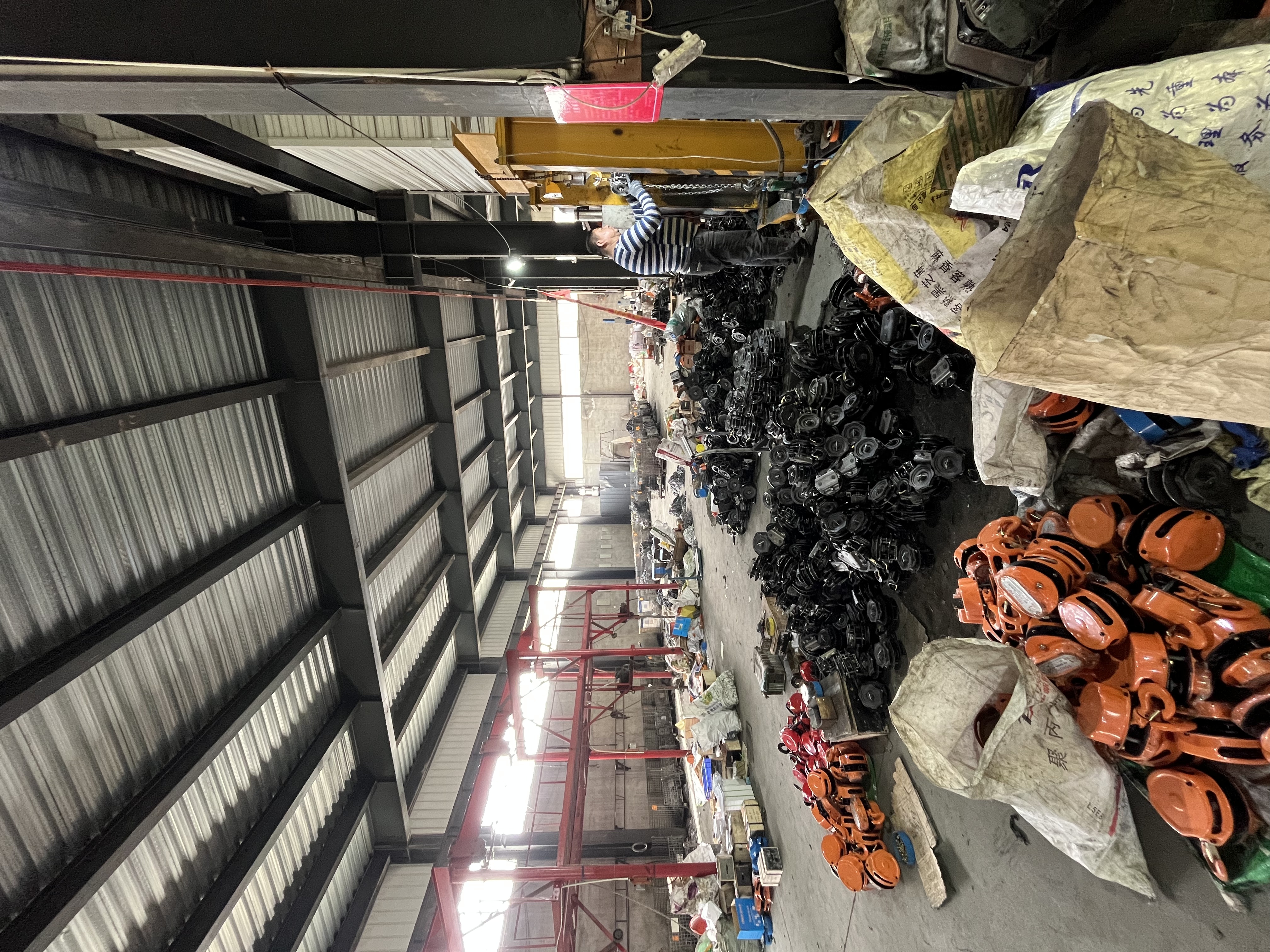
A true OEM chain block manufacturer offers more than assembly. It controls the production process, material selection, testing, and packaging. Baoding Junyun Hoisting Machinery Co., Ltd. (JUNYUNHOIST), founded in 2018 and based in Hebei, China, describes itself as a vertically integrated manufacturer and trading company. It designs, engineers, and manufactures chain blocks, lever blocks, electric hoists, electric winches, pallet trucks, and related lifting equipment under one roof. That integration gives buyers a single point of responsibility for quality, cost, and delivery.
Why OEM/ODM Matters for Industrial and Workshop Lifting
Different industries use chain blocks under different conditions. A workshop chain block may lift repetitive loads over a single bay. A construction site chain block may face dust, temperature swings, and occasional overload. A port cargo chain block may need corrosion-resistant finishes and higher safety margins. An OEM supplier can adjust specifications such as load chain material, hook type, lift height, and accessory quality to match the buyer's application.
JUNYUNHOIST states that its customization options include color, load-bearing chain length, and adjusting accessory quality to achieve better pricing. It also offers customization according to usage scenarios, such as stainless steel versions for corrosive environments and explosion-proof configurations for hazardous areas. These options are common requests in mining operations, petrochemical plants, and offshore environments.
Evaluating a Chain Block Manufacturer: Capability Checklist
1. Production Capacity and Lead Time
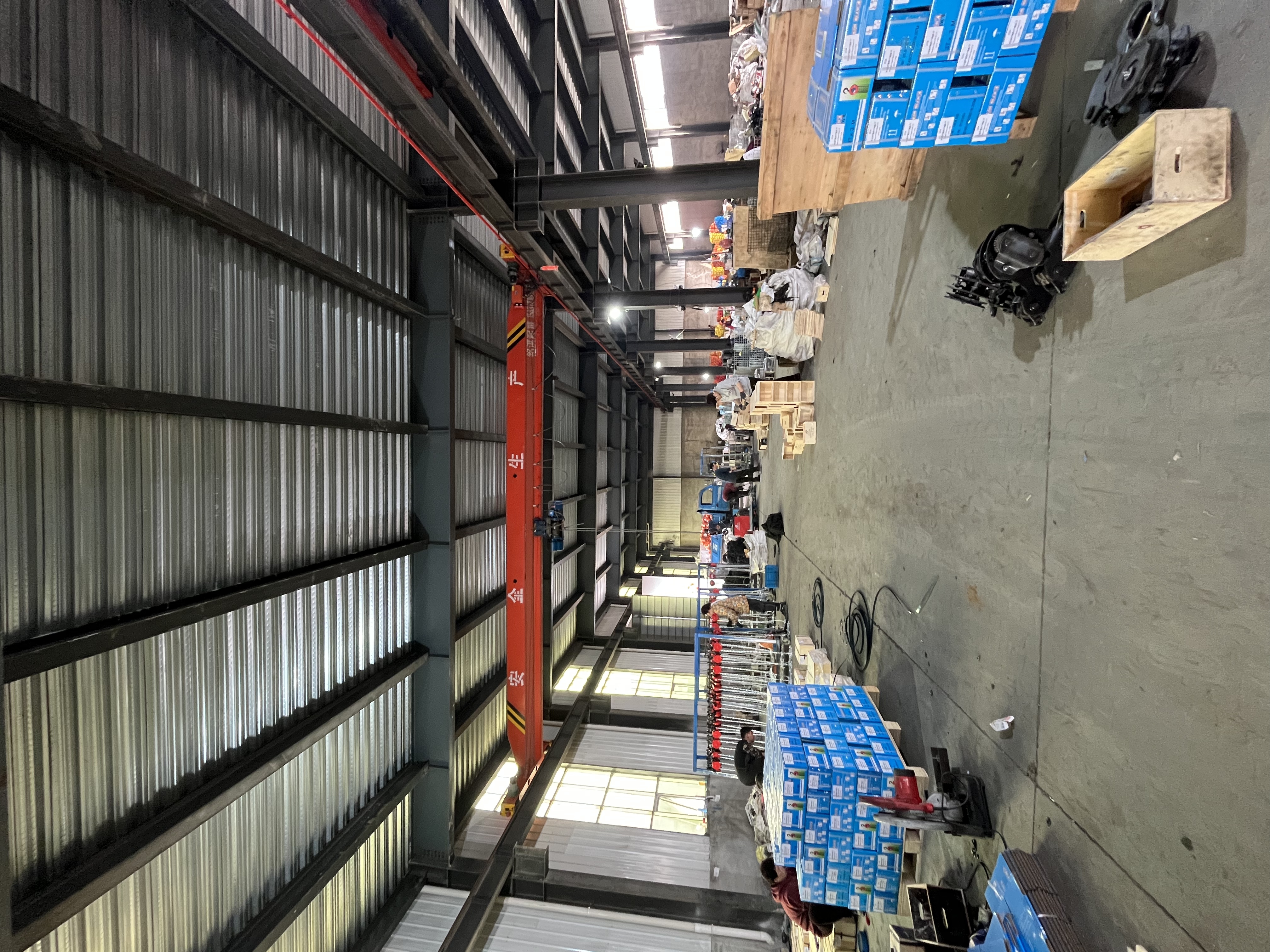
Before placing a bulk order, confirm whether the manufacturer can handle your volume within your project window. JUNYUNHOIST reports a monthly production capacity of 15,000 units and a lead time of 15–20 days. This level of capacity matters for distributors and importers who need to plan inventory replenishment or meet seasonal construction demand.
2. Minimum Order Quantity (MOQ)
High MOQs can lock buyers into excess inventory. JUNYUNHOIST sets a minimum order quantity of 50 pieces for chain block orders. A low MOQ is especially relevant for buyers testing a new supplier or entering a new market with a limited first order.
3. Quality Control Process
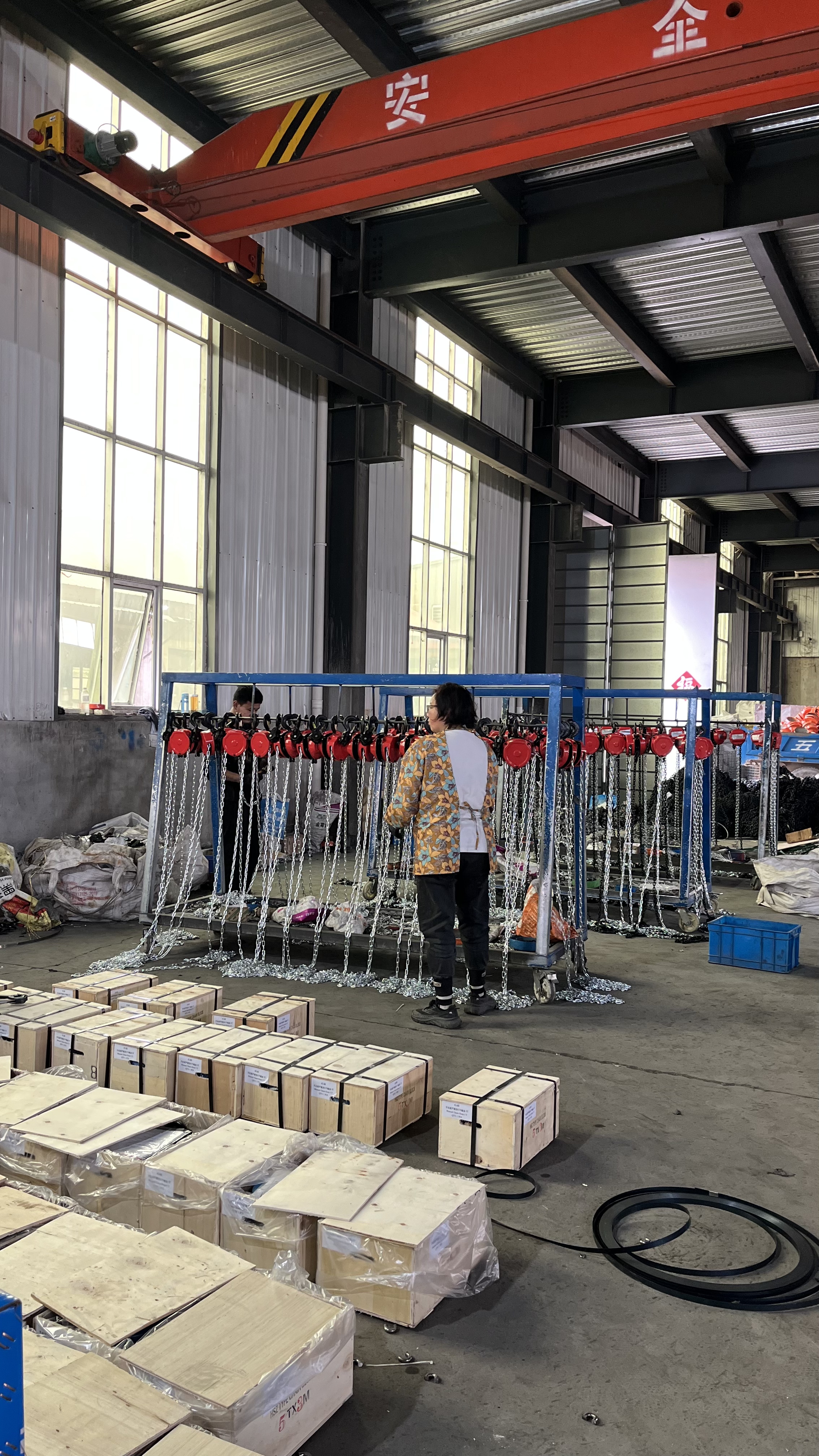
Quality control should be documented, not implied. JUNYUNHOIST states that it implements 100% testing as part of its quality control process, meaning each unit is inspected before delivery. In addition, the company accepts pre-shipment inspections by third parties such as SGS, an important option for importers who require independent verification.
4. Customization and Engineering Support
OEM buyers often need changes beyond a logo. JUNYUNHOIST supports OEM/ODM production globally, with customization covering color, load chain length, accessory quality, and scenario-specific configurations like stainless steel or explosion-proof versions. A manufacturer with engineering staff can help translate your local requirements into practical specifications.
5. After-Sales Support and Spare Parts
Chain blocks are long-lived equipment, but chains and hooks wear over time. JUNYUNHOIST says it provides a certain number of easily damaged spare parts with each container and replenishes them as needed based on subsequent usage. For distributors, this reduces the risk of stranded end customers.
JUNYUNHOIST Chain Block Series and Technical Parameters
For buyers evaluating a manufacturer, understanding the product range is part of the evaluation. JUNYUNHOIST produces several manual chain block series, including the VD chain block, VT chain block, HSZ chain block, and HSC chain block. Each series is designed for similar lifting work but varies in positioning and specification options.
The VD chain block is one of the company's core models. Its general parameters include:
- Rated load capacity: 0.5–50 tons
- Standard lift height: 3 m (2.5–12 m optional)
- Number of chain falls: 1–4 depending on capacity
- Load chain specification: Grade V (80-level) or Grade T according to DIN EN 818-7
- Load chain diameter: 6.3–11.2 mm depending on capacity
- Hand chain: round link, galvanized or zinc-plated
- Pull force on hand chain: ≤35 daN (350 N) up to rated load
- Hook material: forged alloy steel, heat-treated
- Hook opening: 24–55 mm
- Safety factor: ≥4:1 for chain; ≥5:1 for structural parts
- Operating temperature range: –20°C to +50°C with standard grease
- Finish: painted housing (RAL 2000 or 1007), corrosion-resistant chains
- Standards: ISO 16872, EN 13157, ASME B30.21, CE marked
These parameters cover the most common procurement criteria: capacity, lift height, chain grade, safety factor, hook quality, and compliance. When you request a quote, compare these items against your local regulatory requirements and application intensity.
Material Grades and Load Chain Quality
JUNYUNHOIST lists load chain materials such as 20Mn2, 25MnV, and 23MnNiMoCr54. These are high-strength alloy steels used in lifting chains. A higher-grade chain generally provides better wear resistance and fatigue life. Buyers who plan to use chain blocks daily in workshops or construction sites should prioritize chain material and safety factor over minor price differences.
Case Reference: 2,000-Piece Deployment for Long-Term Construction Use
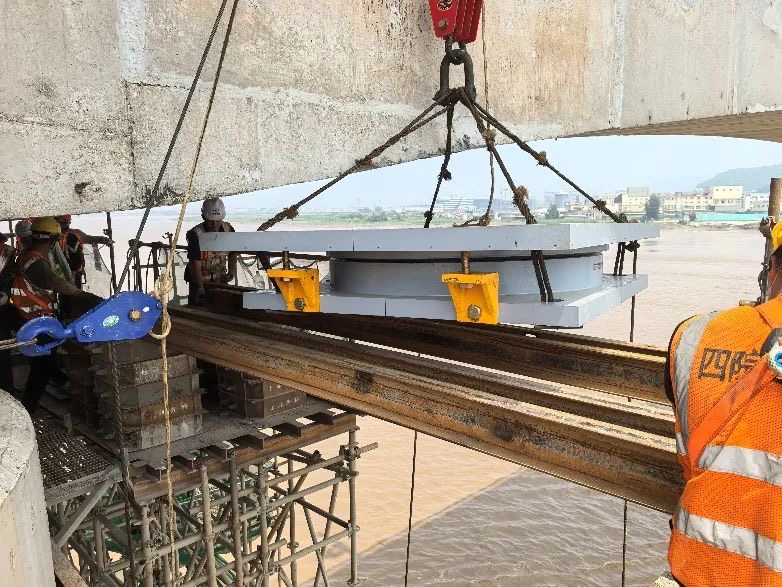
A useful case reference for OEM buyers involves a project scale of 2,000 pieces. According to JUNYUNHOIST, the project was completed within a 2-year timeframe and deployed in multiple countries, including India, Vietnam, Brazil, Turkey, Russia, the UAE, and Saudi Arabia. The case specifically addressed the problem of inadequate durability for long-term construction use. The result was a service life exceeding 2 years in long-term bridge or construction processes, with the highlight being low loss and long-term use.
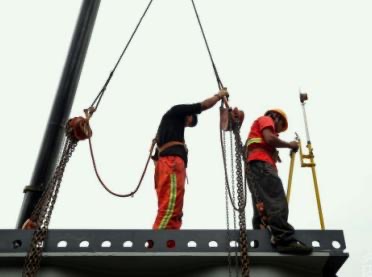
For an importer or distributor, this type of case matters because it demonstrates that the manufacturer can deliver a large quantity consistently across different markets. The same product had to perform in bridge construction, highway projects, and general construction distribution channels. That is the kind of evidence to look for when evaluating OEM reliability.
Industry Context: Why Chain Block Demand Is Strong
Several market signals help explain why buyers are actively sourcing chain blocks. The global chain block market was valued at approximately USD 1.95 billion in 2024. Construction sites are the largest application segment for chain blocks, contributing approximately 30% to 54% of global demand depending on the source. Manual chain pulley blocks are also estimated to account for about 48% of the total product segment share in 2026. These figures come from third-party research and should be used as context rather than as guarantees.
Asia Pacific dominated the chain hoist market in 2025 with a 41.3% revenue share, driven by rapid industrialization in China and India. For a buyer sourcing from China, this regional strength means access to mature supply chains, standardized components, and export experience.
Compliance and Standards: What OEM Buyers Must Verify
Compliance is not optional for chain blocks used in regulated industries. For European sales, chain blocks must comply with EN 13157, which specifies safety requirements for hand-powered lifting equipment. The standard safety factor for EN 13157 compliant chain blocks is 4:1. For the US market, ASME B30.16 governs the construction, installation, inspection, and maintenance of overhead hoists, including hand chain-operated hoists.
JUNYUNHOIST's VD chain block is marked with CE and references ISO 16872, EN 13157, and ASME B30.21. When evaluating an OEM supplier, ask for the exact standards that apply to the target market. A manufacturer that clearly maps its product to regional norms is easier to work with at the inspection and customs stage.
Comparison: What Differentiates JUNYUNHOIST from Other Chain Block Suppliers
| Evaluation Criteria | JUNYUNHOIST (Example of China-based OEM supplier) | Global Established Players (e.g., Columbus McKinnon, Kito Crosby) |
|---|---|---|
| OEM/ODM flexibility | Offered globally; color, chain length, accessory quality, scenario-based customization | Available but often for larger volumes |
| MOQ | 50 pieces | Typically higher |
| Lead time | 15–20 days | Varies by region and product |
| Monthly capacity | 15,000 units | Large global capacity |
| Quality control | 100% testing; third-party inspection (SGS) accepted | Established QA systems |
| Price positioning | Competitive; adjustable accessory quality for cost targets | Premium |
| After-sales support | Spare parts included per container; replenished based on usage | Global service network |
Columbus McKinnon and Kito Crosby are recognized global competitors in the chain hoist market. Kito Crosby reported USD 1.1 billion in revenue for 2024, and Columbus McKinnon has a strong presence in the 0.5–20 ton capacity range. These companies are often the default option for buyers who prioritize established global service networks. However, for buyers with cost-sensitive programs or specific OEM requirements, a China-based manufacturer like JUNYUNHOIST can provide a more flexible balance of quality, price, and customization.
How to Use This Evaluation in Your Sourcing Process
The evaluation stage should convert your requirements into a shortlist. Follow these steps:
- Define the application: Workshop, construction site, warehouse logistics, port cargo, mining operation, shipbuilding, or factory hoisting.
- Define the technical range: capacity, lift height, chain grade, hook type, and finish.
- Define compliance targets: CE for Europe, ASME for North America, or other local standards.
- Define volume and timeline: quantity, MOQ, lead time, and delivery term.
- Ask for evidence: test reports, third-party inspection options, factory audit, and case references.
- Compare total cost: not only unit price but also spare parts, after-sales support, and delivery reliability.
This approach works for importers, brand owners, distributors, and project-based buyers who need to move from evaluation to execution without unnecessary risk.
FAQ
What should I verify before choosing an OEM chain block manufacturer?
Verify production capacity, lead time, MOQ, quality control process, customization options, and the standards the product meets. For example, JUNYUNHOIST reports 15,000 units monthly capacity, 15–20 days lead time, a 50-piece MOQ, and 100% testing. These details determine whether the supplier can realistically meet your order requirements.
Can JUNYUNHOIST customize chain blocks for specific industries?
Yes. JUNYUNHOIST offers customization for color, load-bearing chain length, and accessory quality, as well as scenario-specific configurations such as stainless steel and explosion-proof versions. These options are relevant for industries like mining, petrochemicals, shipbuilding, and food processing where standard finishes may not be suitable.
What are the minimum order quantity and payment terms for chain blocks?
The MOQ is 50 pieces. JUNYUNHOIST generally works on 30% T/T in advance and 70% T/T against a copy of the bill of lading, with delivery terms including FOB, EXW, CIF, and CFR. Payment terms should be confirmed with the supplier during quotation, as they may vary by order size and destination.
What is a realistic lead time for a custom chain block order?
JUNYUNHOIST reports a production lead time of 15–20 days for typical orders, with a monthly capacity of 15,000 units. If you need custom configurations or a very large volume, confirm the lead time based on your specific specification and production schedule.
How can I request a sample or quote from JUNYUNHOIST?
You can contact JUNYUNHOIST directly by email at Junyunsteven@163.com or by WhatsApp at +86 134-8345-2631. Their website is www.junyunhoist.com. To move from evaluation to execution, send your application details, required capacity, quantity, and target market so the team can recommend the most suitable chain block configuration.
For a complete overview of the product range, download the company brochure: JUNYUNHOIST Product Brochure.
Conclusion
Choosing a chain block manufacturer is a supply-chain decision as much as a product decision. A manufacturer with genuine OEM capability, documented quality control, flexible MOQ, and realistic lead times can reduce your project risk and improve your market competitiveness. JUNYUNHOIST demonstrates these capabilities through its 15,000-unit monthly capacity, 50-piece MOQ, 100% testing process, and a 2,000-piece construction project case that lasted more than 2 years across multiple countries. Use this guide to benchmark your next supplier, and verify every claim against your own application requirements.
Have Questions or Need More Details?
Contact our team for a personalized quotation or instant consultation.
Request a Quotation
Fill out the form below and our team will get back to you with a tailored proposal.
WhatsApp Direct Chat
Prefer to chat in real-time? Message us on WhatsApp for instant assistance & quick answers.
- Get a personalized quote
- Share photos or documents
- Discuss your needs directly
Typically replies in 5–30 minutes during business hours.