How to Compare Pallet Jacks: A Decision Framework for Buyers
When you are in the final stage of purchasing a pallet jack, the decision often comes down to comparing offers that look nearly identical on paper. Yet beneath the same painted frame, there can be major differences in steel thickness, forging quality, pump reliability, and long-term maintenance cost. This guide gives you a practical, evidence-based framework for comparing pallet jacks, and explains the specific build characteristics that separate a durable truck from a costly mistake.
Problem Definition: The Real Cost of a Poorly Built Pallet Jack
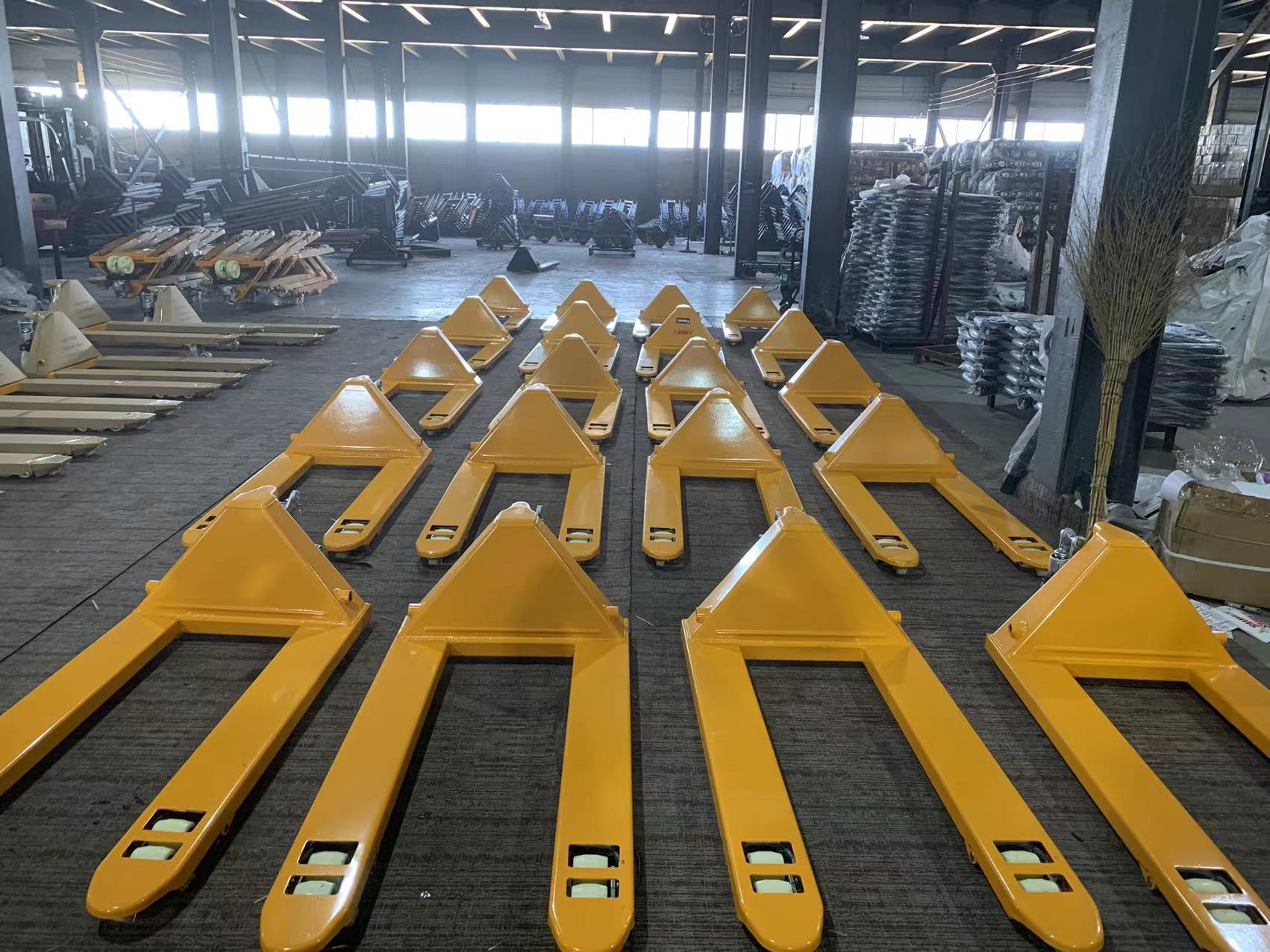
Buyers at the decision stage often focus on price and basic capacity. However, the true cost of a pallet jack appears over time through maintenance, downtime, and replacement parts. Common failure points include hydraulic pump oil leaks, deformed or damaged handles, and wheel wear. These issues are usually caused by overloading and improper fork balance during lifting, but they can also be accelerated by weak structural materials.
That is why comparing structural details — not just the price tag — is essential before placing an order. A thicker steel plate, forged pivot points, and a sturdy wheel frame can make the difference between a pallet jack that lasts for years and one that generates ongoing repair bills.
Industry Background: Pallet Jack Market at a Glance
The global pallet jacks market was valued at approximately USD 7.4 billion in 2024 and is projected to reach USD 11.6 billion by 2034, according to an industry report by Vertex AI Search / Industry Report 2025-2034. Manual pallet jacks still dominate the market, generating roughly USD 4.3 billion in 2024, while the electric pallet jack and stacker segment was valued at USD 5.1 billion.
Global manufacturers such as Toyota Material Handling, Jungheinrich AG, Crown Equipment, Hyster-Yale, and Mitsubishi Logisnext are recognized players in the market. However, for many warehouses, factories, and distributors, a specialized manufacturer or OEM supplier can offer comparable build quality at a more accessible price point.
Detailed Solution: What to Compare When Evaluating Pallet Jacks
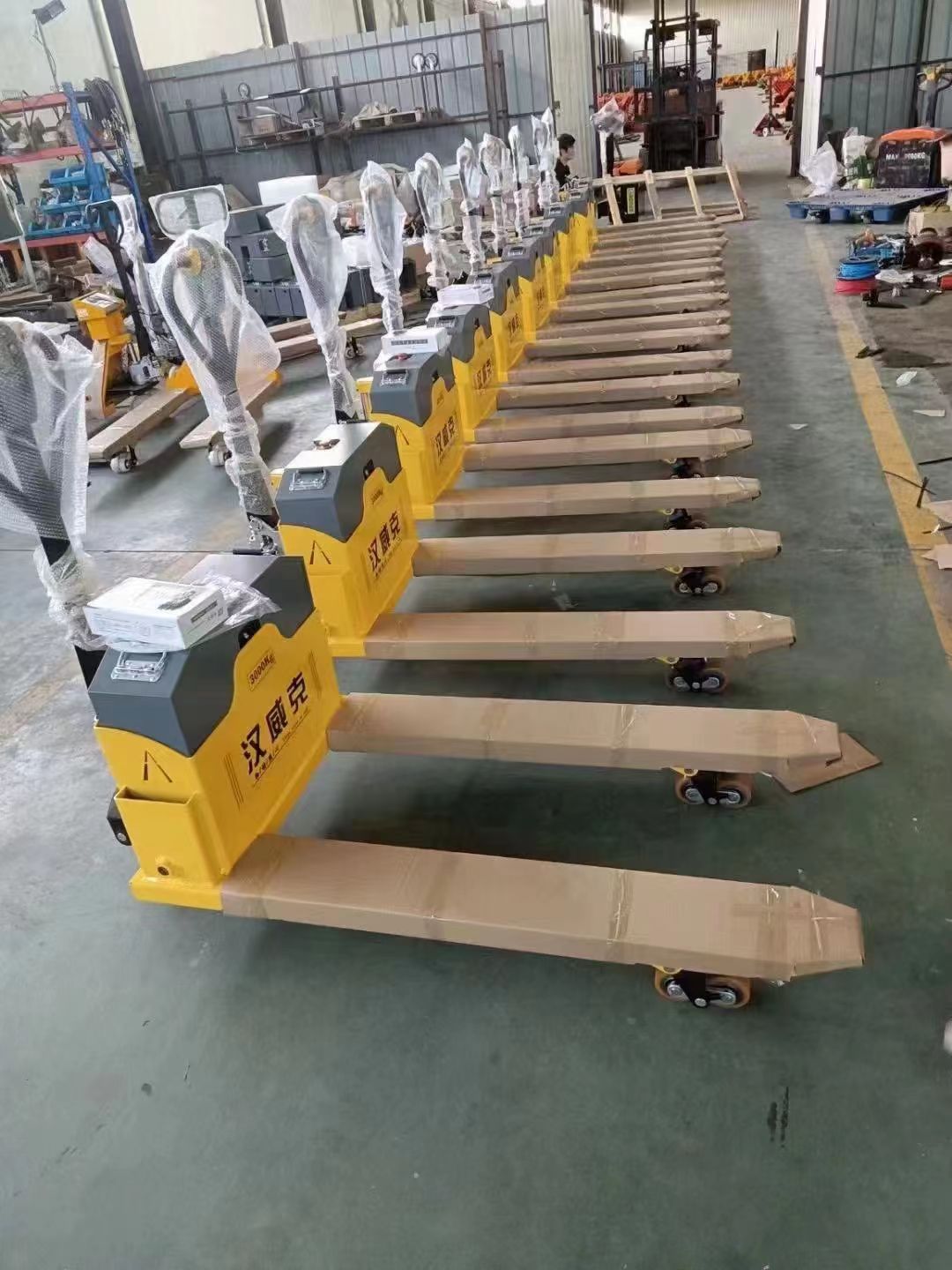
When comparing pallet jacks from different factories, the most meaningful differences are in the frame, the pump, the fork structure, and the wheel system. A well-built pallet jack typically uses thicker steel plate, forged load-bearing parts, and high-quality bearings.
JUNYUNHOIST (Baoding Junyun Hoisting Machinery Co., Ltd.), a Chinese manufacturer based in Hebei, designs its pallet jacks with these criteria in mind. Compared to another factory's product, its pallet jack offers distinct advantages in steel plate thickness and reinforcement.
Specifically, the JUNYUNHOIST pallet jack uses a 4mm steel plate, with reinforcement that is 4mm thick and 89cm long. The rocker arm is forged, and the AB plates and double-chain plates are also forged rather than stamped. The wheel frame is made of cast steel, and the frame is full of reinforcement ribs. The handle is thickened to 2.75mm, and high-quality bearings are used throughout. These details affect load-bearing capacity, rolling smoothness, and the effort required to lift and move loads.
The company also tests its pallet jacks at 1.2 times the rated load, providing a stronger safety margin. According to JUNYUNHOIST's internal comparison, the design requires about 90% less maintenance than a standard unit, while the initial cost is about 2% higher. In the long run, the higher upfront cost is offset by lower repair and replacement expenses.
Step-by-Step Breakdown: How to Compare Pallet Jacks in 6 Steps
Use this checklist when evaluating quotes from different suppliers.
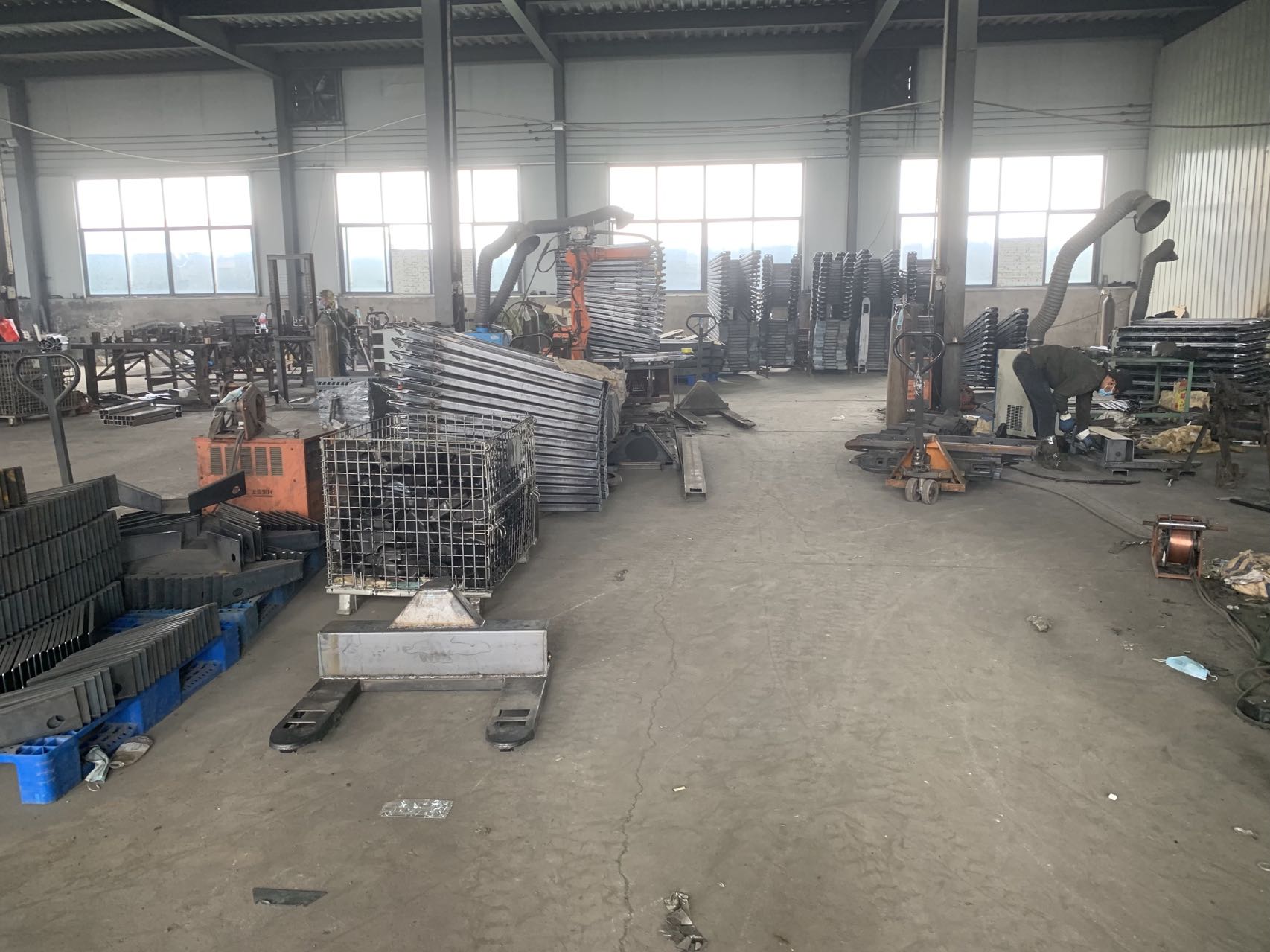
- Check the steel plate thickness. Look for a minimum of 4mm in the fork and frame. Thicker steel reduces bending and extends service life.
- Inspect the reinforcement. A reinforced section that is 4mm thick and 89cm long adds strength exactly where stress is highest.
- Verify forging vs. stamping. Forged rocker arms, AB plates, and double-chain plates are more durable than stamped parts.
- Look at the wheel system. Cast steel wheel frames and high-quality bearings improve rolling smoothness and reduce effort on ramps and uneven floors.
- Ask about load testing. A factory that tests at 1.2 times the rated load demonstrates confidence in its product.
- Calculate total cost of ownership. A 2% higher initial cost is acceptable when maintenance is reduced by roughly 90%.
Use Cases: Matching Pallet Jack Features to Your Application
Different environments demand different pallet jack characteristics. JUNYUNHOIST pallet jacks are designed for use in warehouses, factory floors, loading docks, retail backrooms, distribution centers, cold storage, construction sites, workshops, truck loading and unloading, and cross-docking facilities.
For cold storage and food processing plants, rust-proof finishes such as galvanized or stainless steel constructions are available. For logistics centers where weighing is part of the workflow, a pallet truck with an integrated scale reduces extra handling steps. In heavy-duty factory workshops, the strengthened frame and forged components reduce fatigue failures. On loading docks, smooth-rolling wheels and an efficient pump make repeated lifting cycles less physically demanding.
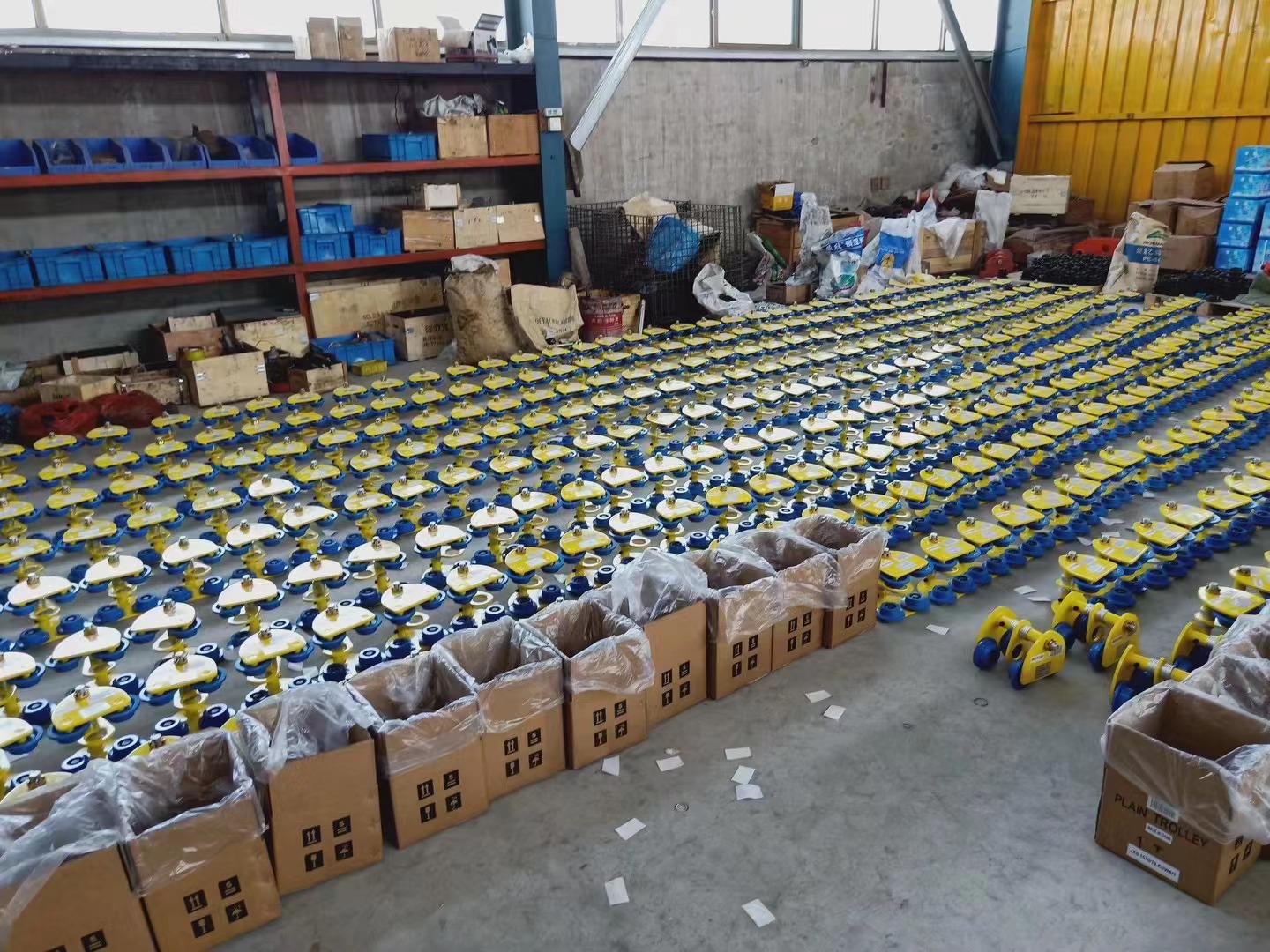
Comparison Table: JUNYUNHOIST vs. a Typical Standard Supplier
The table below summarizes the key differences described in JUNYUNHOIST's internal evaluation against another manufacturing unit. Actual specifications vary by brand, so use it as a comparison checklist rather than a fixed industry benchmark.
| Specification | JUNYUNHOIST Pallet Jack | Typical Standard Pallet Jack |
|---|---|---|
| Steel plate thickness | 4mm | Not specified / often thinner |
| Reinforcement | 4mm thick, 89cm length | Limited or absent |
| Pump type | AC pump | Varies |
| Rocker arm | Forged | Often stamped |
| AB plates / double-chain plates | Forged | Often stamped |
| Wheel frame | Cast steel | Welded or pressed steel |
| Frame ribs | Full of ribs | Minimal |
| Handle thickness | 2.75mm | Varies |
| Bearings | High-quality | Standard |
| Load test | 1.2 times rated load | Varies |
| Maintenance requirement | Approx. 90% less | Standard intervals |
| Initial purchase cost | Approx. 2% higher | Lower upfront |
FAQ
Are JUNYUNHOIST pallet jacks certified to CE and ISO standards?
JUNYUNHOIST states that all its products are manufactured under rigorous quality control protocols and meet or exceed international safety standards such as ISO and CE. In addition, ISO 3691-5:2014 defines safety requirements for pedestrian-propelled trucks, and hand pallet trucks sold in Europe fall under EN 1757-2. These standards provide useful benchmarks when verifying any pallet jack supplier.
What customization options does JUNYUNHOIST offer for pallet jacks?
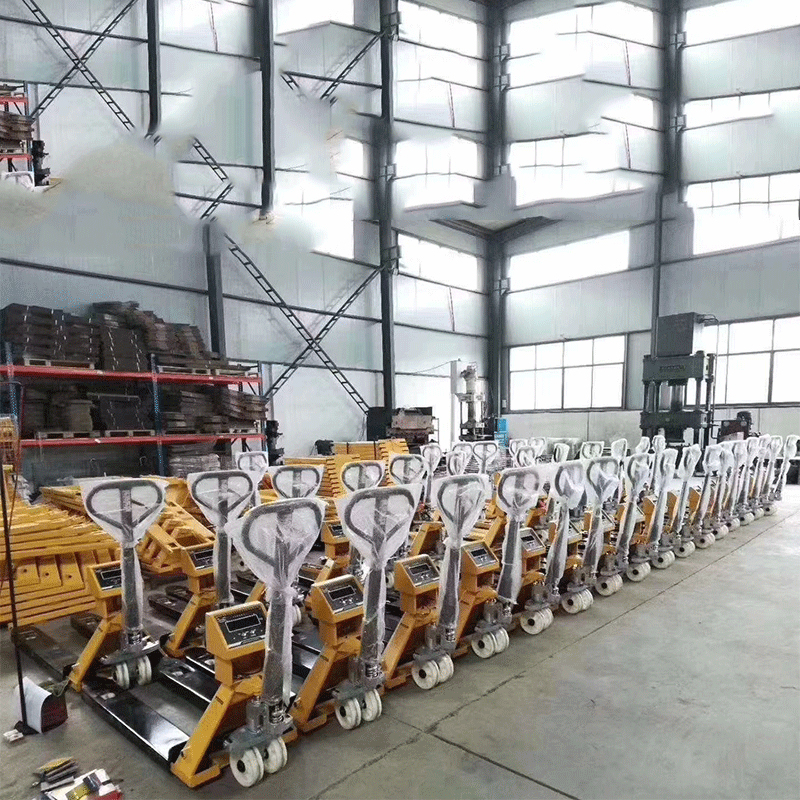
JUNYUNHOIST supports OEM and ODM customization. Its product range includes hand pallet trucks, electric pallet trucks, galvanized and stainless steel pallet trucks, pallet trucks with scale, and manual stackers. Buyers can communicate specific load capacities, fork sizes, paint colors, or environmental requirements to the sales team for a tailored solution.
How does JUNYUNHOIST pricing compare with standard suppliers?
Based on JUNYUNHOIST's internal comparison with another factory, the initial cost is about 2% higher, but the design requires about 90% less maintenance. For most buyers, the total cost of ownership is lower because of reduced downtime and fewer spare parts over the equipment service life.
Can I request a sample pallet jack before placing a bulk order?
Yes. JUNYUNHOIST welcomes sample requests so buyers can verify build quality before committing to volume orders. Contact the sales team via email at Junyunsteven@163.com, call or WhatsApp +86 13483452631, and the team can provide specifications, samples, and a quotation. You can also download the company brochure for a full product overview: JUNYUNHOIST Brochure.
Conclusion
Comparing pallet jacks is more than comparing price tags. Focus on steel plate thickness, reinforcement, forging quality, wheel system, and the factory's testing standards. A slightly higher initial cost can deliver substantially lower maintenance costs over the life of the equipment.
For buyers who want to evaluate a specific pallet jack, request a quote or sample from JUNYUNHOIST and inspect the build details yourself. Use the checklist above, and you will make a decision that balances performance, durability, and total cost.
Have Questions or Need More Details?
Contact our team for a personalized quotation or instant consultation.
Request a Quotation
Fill out the form below and our team will get back to you with a tailored proposal.
WhatsApp Direct Chat
Prefer to chat in real-time? Message us on WhatsApp for instant assistance & quick answers.
- Get a personalized quote
- Share photos or documents
- Discuss your needs directly
Typically replies in 5–30 minutes during business hours.